
The Weeds are Winnings (And, That’s Right!)
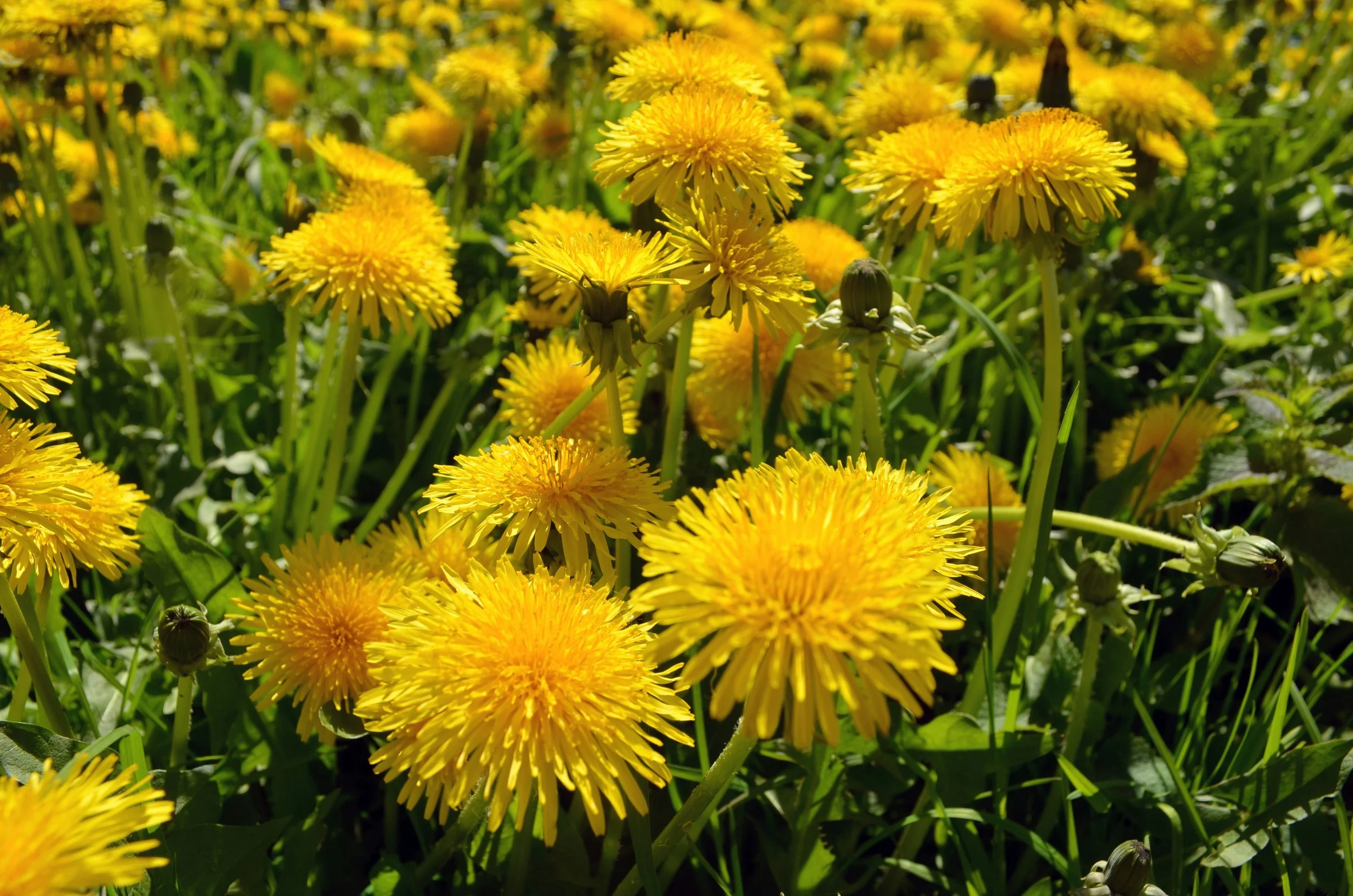
SourceL Photo of yellow and dandelion by Viridi Green (@viridigreen) on Unsplash
Here we are, in the midsts of June, the sun is a glorious and plump orange, the birds are off doing that lazy afternoon chirp, and I… have just spent twenty minutes on my hands and knees in the earthy soil like a girl possessed because my dearest mother had told me to. Somewhere earlier, a photo appeared on her feed of a patio that looked like it had been polished by the angels themselves, with the most immaculate baby blue hydrangea bushes, zero weeds, not a single withered leaf and had thought to herself that this is what summer should look like, So, out came the gloves and the trowels as “we” declared war on the weeds, and my entire summer was spelling out to be the month of eradicating every last dandelion in our yard.
1. The Secret Life of Weeds
The strangest truth of it all (that someone should really put on a mug) is that the weeds are actually supposed to win; it’s not about laziness or bad gardening or the other failures you might be whispering to yourself at night. Ecologically speaking, weeds aren’t actually invaders but essential to the environments: dandelions, clovers, and crabgrass help repair the soil through their deep roots breaking up the compacted earth while they pull needed nutrients from below and deposit them on the surface where other plants can eventually benefit. And, if nothing else, they feed the bees when nothing else is blooming!
When disasters occur in nature, weeds are often the first responders. They cover bare ground, prevent erosion, and create the best conditions for other plants to thrive later, which means that little dandelion I just spent an hour trying to pluck was in fact, a sustainable landscaper working for free. My apologies, I probably should have bought them coffee at least.
2. Summercore Aesthetic (It’s a Trap!)
Zoom out from the dandelions, and even the garden for a moment. It’s not really about the weeds at all but the entire summer “aesthetic.” That feeling of trying to regain control and make everything look perfect right around the end of exams and just shy of September. You know, like reorganizing your entire room according to an inspo you saw on TikTok, curating a summer reading list and new hobbies that make you look incredibly smart and well-rounded, and posting that aesthetic matcha drink with your friends. By July, the barrage of travel posts and marathon race runs on your Iinstagram starts to scrape at you and now, we must eliminate the one thing we can control: the splashes of yellow dandelions and wild weeds outside your window.
3. The Science of Messiness
Back in 1979, a psychologist named James Gibson introduced a concept called “affordances,” which is a nice, fancy word for a fairly simple idea: the things in our environments offers us certain possibilities, like how a chair “affords” sitting and a door “affords” opening and a clean white desk does not afford doing actual, productive work because then you’ll spend the whole time worrying about smudging it. Another interesting part that Gibson argued, based on years of observing how humans interacted with their surroundings, was that people actually found slightly wild and unstructured environments more restorative and relaxing than the perfectly manicured ones. The perfectly tidy space demands something from you because it implores you to maintain it and whispers don’t mess it up every time you walk through the room, forcing you to tiptoe around and stay hyperaware. Now, a slightly messy, lived-in space offers you permission to relax over the rigid structure of polishness.
Where do the weeds chime in here then? Well, research finds that people walking through “messy” natural areas with tall grass, fallen branches and yes, plenty of weeds, reported significantly lower stress levels than those who walked through highly maintained gardens, because our brain reads chaos as safety. “Chaos” means no expectations of perfection, it means a deep exhale after your semester of holding everything together.
My small proposal, dear reader, is to look around your life. Not just your garden, but your calendar and your desk and all your to-do lists you swore you would accomplish by June - and notice all the places you can take a step back in. Perhaps, your reading list can take a backseat in favour of letting your mind recuperate and maybe that patch of clover in the middle of the lawn is actually softer than cut grass anyways. The 30-day abs workout routine, your new hobby you said you’d master - all of these can be patient and wait a little while you lounge in the sunlight and recover.
I’m not saying to give up entirely on productivity or ambition or your summer glow-up, but I do suggest treating summer less like a performance review and more like a long exhale, a chance to let your brain relax from all your labs, lectures and deadlines. The weeds are winning not because you’re failing but because they're supposed to, because that’s what they do and that’s what July does: things grow in unexpected places, including a little bit of grace for yourself if you'll let them.
Now, if you’ll excuse me, there’s a tempting patch of clover out back that needs some napping on, and maybe you should find something soft to lie down too :-)