
Pause. Reflect. Grow. The Power of Weekly Check-Ins!
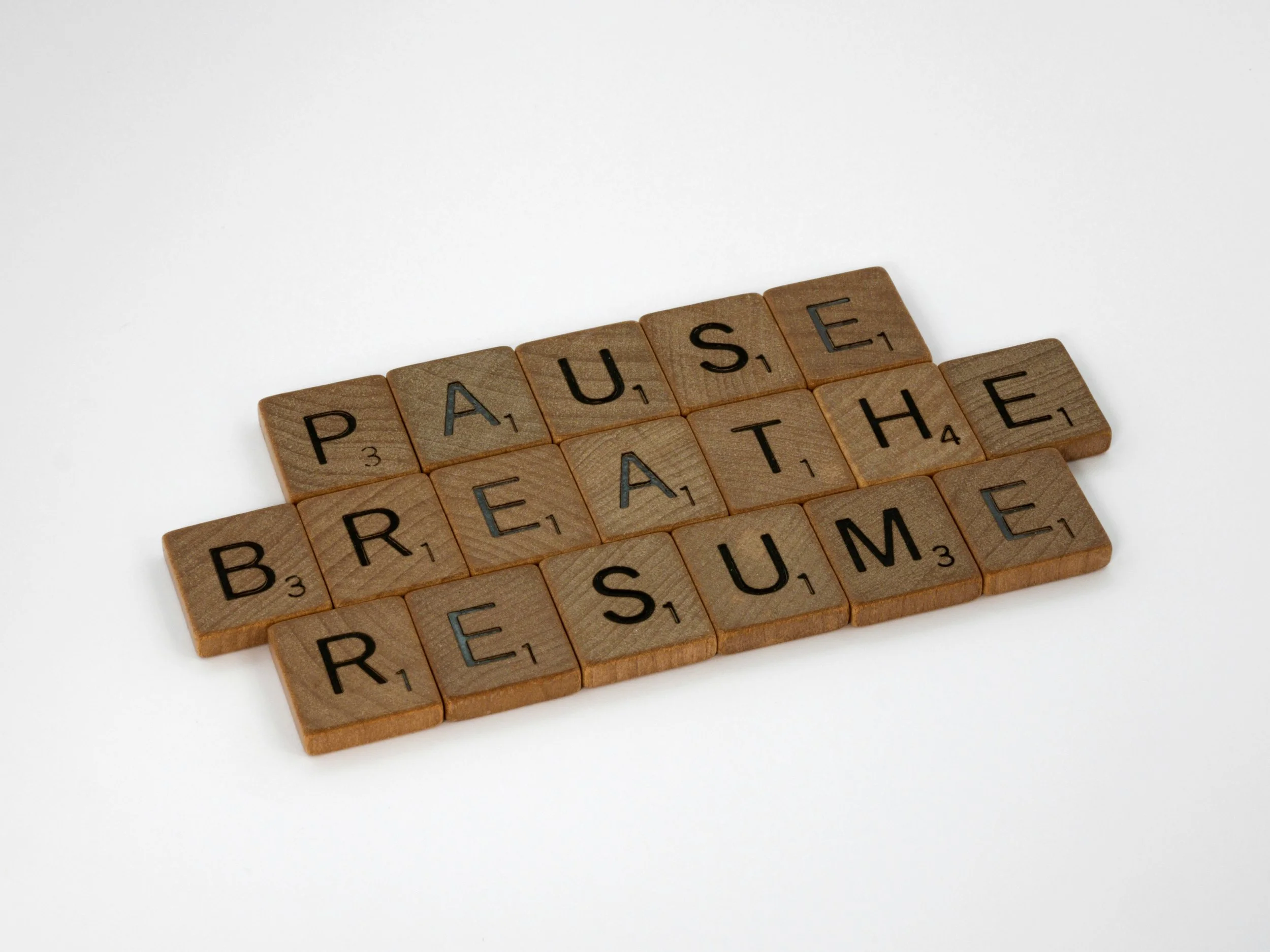
Photo by Brett Jordan on Unsplash
Life as a student gets overwhelming very quickly. Tests, assignments, work, and family expectations all pile up before you even notice. Sometimes we’re so focused on the next deadline that we don’t stop to notice how we’re actually doing. But, what if there was a simple way to keep track of how you’re doing without feeling overwhelmed? That’s where weekly self-check-ins come in. They’re short, simple and surprisingly powerful. The easiest part is that you don’t need a fancy planner or perfect journaling aesthetic to do them!
What Is a Weekly Self-Check-In?
A weekly self-check-in is a short reflection where you pause, look back at how your week was and ask yourself questions like:
What was hard?
What went well?
Are there any patterns I am noticing?
What should be my goals for the next week?
Check-ins aren’t about perfection. They’re about awareness and growth.
Why Weekly Self-Check-Ins?
Check-ins reduce stress
It’s easy to let stress take over and overwhelm you. But taking regular pauses to reflect can combat this. Thinking about how you felt, the source(s) of your stress and what helped you cope can all make stress easier to manage and improve your mental well-being. In fact, recalling and thinking about experiences through the week has been shown to improve emotion regulation in students. So instead of asking yourself “Why am I so stressed?”, you can start making small changes by noticing patterns early on!
Reflection supports academic growth
Research has shown that reflecting on what you’re doing and why you’re doing it helps you learn more effectively. One study explained that students who wrote about their goals and growth reported better understanding and more academic success because they actively thought about how they learn rather than just going through it day-by-day. This information shows that those who set goals and reflect on them can see lasting benefits to self-efficacy and confidence.
Check-ins help you build better habits
When you pause and ask yourself what went well during your week and what didn’t, you’re practicing self-regulation (guiding your own learning and behaviour). Research suggests that self-regulated learning strategies like planning, goal-setting, monitoring progress and reflecting are linked to more academic success and better work habits, since you’re constantly adjusting your learning approach based on what’s working for you. In other words, checking in weekly and reflecting can help you understand how you learn best.
How to do a Quick Check-In
Honestly, you don’t need anything fancy for a simple 5-minute check-in. Using your notes app on your phone or even writing on a sheet of paper would do. By noting your wins, challenges, and moods each week, you can spot what helps you cope with stress and what doesn’t, making it easier to manage your well-being and adjust your strategies over time. Here’s an easy and quick format you can use at the end of every week:
One Win
Something you did or tried that worked or that you’re proud of.
One Challenge
Something that didn’t go as you expected or that you struggled with.
Mood Scale
Rate how you felt this week on a scale of 1 to 5, with 1 being not so great and 5 being really great.
One Goal
Come up with a goal for next week and don’t forget to make it specific and doable! An example is, “Review Chemistry notes for an hour on Tuesday.”
Life as a student feels chaotic almost all the time and it’s a lot to handle. But, when you check-in with yourself weekly, you start to notice what drains you, motivates you and helps you understand your habits. Most importantly, you start to see real progress, even if it doesn’t happen fully overnight! You don’t need expensive planners. Just a few minutes each week to stop, think and plan. Start this week. Your future self will thank you!